
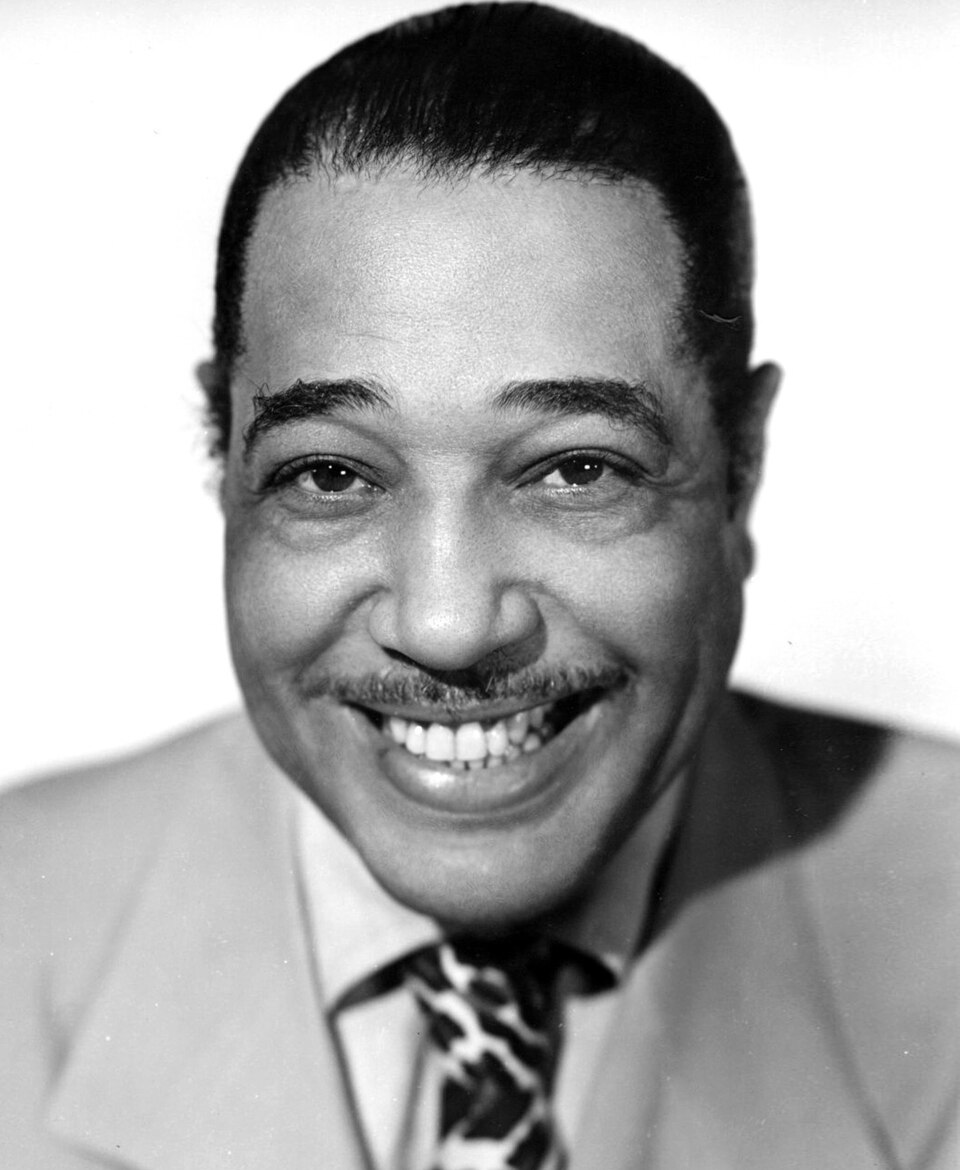
Duke Ellington And His Orchestra
Why it matters
Duke Ellington and His Orchestra stand as a beacon of jazz mastery, bringing together a constellation of remarkable musicians and timeless releases that continue to captivate focused listeners.
Read moreRead less
At the heart of the band’s rich sound were members like Juan Tizol, Billy Strayhorn, Quentin Jackson, and Britt Woodman, each contributing to the orchestra’s distinctive voice. While Tizol eventually left the group, his impact alongside others like Strayhorn remained integral to the ensemble’s evolving style.
The orchestra’s discography includes notable releases such as Duke Ellington Plays The Blues (1947), Ellington Uptown, and Duke Ellington's Liberian Suite, records that showcase the depth and versatility of the group’s musical explorations.
Atlas hears that the band’s texture often leans toward an acoustic small-group feel, inviting listeners into a space best suited for focused listening, where the nuances of their craft reveal themselves fully.
-
VINTAGE VINYL

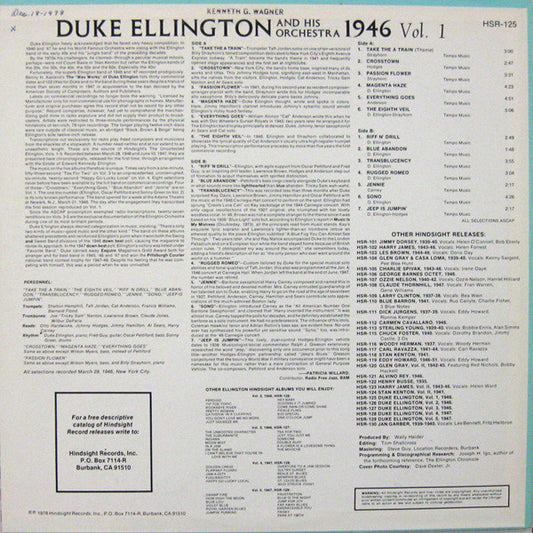
Duke Ellington And His Orchestra - The Uncollected Duke Ellington, Vol. 1, 1946 - LP
VG++ / VG+ 1978Regular price $10.00 USDRegular price

3 Things You Need To Know
Start With The Blues
Duke Ellington Plays The Blues, released in 1947, is a great entry point showcasing Ellington’s ability to blend sophisticated arrangements with deep blues feeling.
Collaborators Shape The Sound
Key members like Billy Strayhorn and Juan Tizol contributed significantly to the orchestra’s evolving sound, with Strayhorn’s compositions and Tizol’s tenure marking important creative phases.
Acoustic Small-Group Texture
Though known for big band jazz, some of Ellington’s work leans toward an intimate acoustic small-group texture, inviting focused listening to appreciate the nuanced interplay.

Duke Ellington And His Orchestra Vinyl Records For Sale
Discover New Music
-

🎧 Doomscroll Our Inventory
DenTok (get it?) is our scroll and listen discovery app. Scroll up to move to the next album, or scroll left to find the next song in an album. Want to save a song for later? Double-tap or tap the heart icon to add it to your Wishlist. Expect to hear plenty of your favorites, some hidden gems, plus a few surprises!
-

⚡Flip Through Records Quickly
Flip through records at lightning speed. Swipe left to pass, swipe right to save to your wishlist. You'll see plenty of albums we think you'll love — plus a few unexpected picks to keep things interesting.

